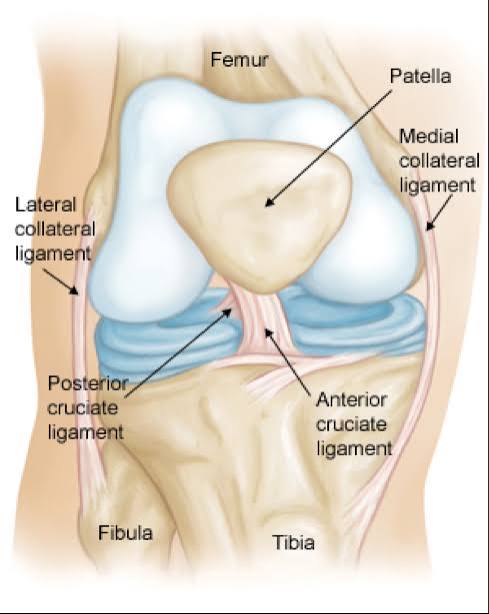
Anterior cruciate ligament (ACL) tears remain one of the most feared injuries in professional football, capable of derailing promising careers and costing teams critical contributors for an entire season. Sports science research over the past decade has made significant progress in identifying the biomechanical, neuromuscular, and environmental factors that increase ACL injury risk. Strength and conditioning programs designed specifically to reduce this risk — incorporating eccentric hamstring exercises, neuromuscular training, and landing mechanics refinement — have been implemented across NFL franchises.
The relationship between fatigue and injury risk is well-established in the scientific literature, and NFL teams use player tracking data and GPS-based workload monitoring to identify when athletes are operating in high-risk fatigue states during practice and games. Surface type, weather conditions, and cleat selection also influence ACL injury rates. Teams with sophisticated sports science departments have reported reductions in their soft-tissue injury rates, though the stochastic nature of contact injuries in football means that complete prevention remains an unrealistic goal. The goal is risk reduction — using science to shift probabilities in favor of athlete health and availability.
Source: Sports Science research, NFL.com – 2026